
Winter Hiking Gear
- Feb 1
- 11 min read
So you love hiking but hate the cold? I totally hear ya! Winter hiking is indeed a different beast from summer hiking, presenting its own unique set of challenges and rewards. The stark beauty of snow-covered landscapes can be breathtaking, and the tranquility of nature during the winter months is often unmatched. However, it’s important to recognize that winter hiking does come with its own set of difficulties that can make it a more demanding experience than hiking in warmer weather.
The key to enjoying winter hiking lies in being adequately prepared. Preparation is crucial in all hiking seasons, but it takes on an even greater importance during winter. The cold temperatures can pose serious risks to your safety, so it's essential to dress in layers, ensuring that you can regulate your body temperature effectively.

Winter hiking also requires additional gear that you might not need in the summer. Items such as snowshoes, crampons, and trekking poles can greatly enhance your stability and safety on icy or snowy trails. These pieces of equipment can be quite an investment and can add up financially, which can be a deterrent for some. It’s understandable that the cost of acquiring specialized gear may seem overwhelming, but it’s important to remember that you don’t need to have the fanciest equipment to enjoy winter hiking.
If you're eager to explore the winter wilderness but find yourself lacking the high-end gear, don’t let that stop you from getting out there!
Winter Hiking Footwear
When embarking on a winter hiking adventure, one of the most significant concerns that adventurers face is the risk of slipping and falling. This risk is heightened due to the unpredictable nature of winter trails, which are often blanketed in snow and ice. In these conditions, the ground beneath your feet is not always visible, making it challenging to assess the terrain. You may encounter a variety of hidden hazards, such as slippery rocks or deep crevices that could lead to an unfortunate misstep. I encountered this situation on this hike: Jones Bluff and Dangerous Rock Fissures. Therefore, it becomes evident that the right footwear is paramount for ensuring both safety and comfort during winter hikes.
Winter Hiking Boots
When selecting hiking boots, it is crucial to ensure that they are not only insulated but also waterproof. Additionally, you may want to consider sizing up when purchasing your winter hiking boots, especially if you plan on wearing thicker or bulkier socks. Bigger socks can provide extra cushioning and warmth, which can be especially beneficial during colder hikes.
Another essential feature of winter hiking boots is their traction. Typically, these boots are designed with specialized outsoles that provide better grip on various surfaces, which is particularly advantageous depending on the type of terrain you plan to navigate. For instance, if you are hiking on icy rocks, boots with superior traction can significantly enhance your stability and reduce the risk of slips and falls. This is why investing in a high-quality pair of hiking boots with excellent traction is a decision that can greatly influence your safety and enjoyment while hiking.

Most winter hiking boots extend just above the ankle, offering a balance of support and flexibility. However, this height may not be sufficient in certain conditions, such as when traversing deep snow drifts or navigating through thick brush where additional ankle protection is beneficial. In such scenarios, you might want to look for boots that offer higher coverage to better shield your ankles and provide enhanced support. In my experience, if you are hiking the Bruce Trail, standard winter hiking boots will be sufficient enough for the majority of trails. It's not as common to be traversing through deep snow for long periods of time.
Understanding the type of terrain you will be navigating can significantly enhance your hiking experience, as it allows you to prepare adequately and choose the right footwear. One effective way to gain insight into the trail conditions is to read reviews from other hikers (AllTrails App). These reviews can provide valuable information about the specific trail you are considering. For instance, some trails may lead you through a flat, serene forest that is snow covered. Others may take you along the edge of a vast field, where you might encounter drifts from strong winds.
Once you have a clearer picture of the terrain, you can choose your appropriate footwear accordingly. Proper footwear is crucial for ensuring comfort and safety during your hike. It's important to remember that you don't need to have the latest gear to enjoy the outdoors. If you find yourself without proper hiking boots, don't let that deter you from exploring nature.
I have often worn just my plain ol' winter boots on hikes, and while they may not be designed for rugged outdoor activities, they have served me well on many occasions. However, it's essential to be more cautious in such situations. I am always more cautious when I'm on icy surfaces when wearing my regular winter boots. Also, if you have dogs accompanying you on your hike, their enthusiasm can sometimes lead to unexpected moments, such as pulling you down a hill or causing you to lose your balance. Therefore, if you opt for less-than-ideal footwear, keep a closer eye on your footing, especially on steep or uneven ground.
I received a fantastic pair of "IceBug" hiking boots (https://www.icebug.com/en-CA/product/adak-rewool-bugrip-blackgrey.) for Christmas this year. The innovative design features small, strategically placed studs on the bottom of the boots, which provide exceptional traction on slippery surfaces, making them ideal for winter hiking or traversing icy trails. I have used them several times already and have fallen instantly in love with them. These boots are particularly impressive because they serve as an excellent alternative for those who prefer not to use traditional crampons when navigating icy terrains.
Crampons
Crampons are an excellent addition to your winter or hiking boots, providing enhanced traction and stability on icy or snow-covered terrains. One of the greatest advantages of crampons is their versatility; they can be easily attached to a variety of boots that you may already own, eliminating the need for a complete overhaul of your winter gear.
When it comes to selecting the right crampons, it’s important to note that there is a vast array of options available on the market. Each type of crampon is designed with specific conditions and types of terrain in mind, which means that some research may be necessary to identify the best fit for your hiking plans. For instance, certain crampons feature large, aggressive spikes that are specifically engineered for traversing steep ice or mixed terrain. However, for trails like the Bruce Trail, which may not present the same level of icy challenges as some more extreme environments, such aggressive gear would be overkill.
Instead, microspikes could be a more suitable choice for the Bruce Trail, particularly when navigating packed snow or icy trail conditions. Microspikes are designed to provide sufficient grip on slippery surfaces without the bulk and weight of traditional crampons. They typically feature smaller, closely spaced spikes, which can effectively grip the ground while still allowing for ease of movement and comfort during long hikes. This makes them an appealing option for those who frequently hike in winter conditions in southern Ontario. As of now, I do not personally use crampons in my winter hiking endeavours because my other options (IceBug, snowshoes) seem to do the job for me.
Snowshoes
Snowshoes are fantastic when you are hiking in deeper snow, offering a unique solution to the challenges posed by winter terrains. They prevent you from post-holing, which is when your foot sinks into the snow, making each step laborious and exhausting.

They can also be useful if there's ice present on the trail, since they come equipped with spikes located on the sole of the footwear.
From my personal experience, I tend not to use snowshoes for hikes especially on the Bruce Trail. This preference stems from my observation that most of the Bruce Trail seems to be well travelled therefore snowshoes would be more of a hindrance.
However, I do have experience hiking in the Peninsula section where snowshoes would have definitely been advantageous to have. Unfortunately, during those hikes I did not bring any. Read about those hikes here Mallory Beach Cliffs Edge Hike
Specifically regarding the Bruce Trail, I know lots of sections where you cross fields and forests where these would be helpful but then there are times where you walk on roads which then you would end up carrying them instead.
Best course of action is to learn the terrain that you're hiking and if it's well travelled by others, then you can plan accordingly.
Winter Outerwear
Your winter outwear is essential for enhancing the enjoyment of the hike but it can also be a matter of safety.
Winter Hiking Tip: You want to be a bit cold at the start of the hike. As you hike, your body will generate heat, warming you considerably. Therefore, starting off a bit chilly isn't necessarily a bad thing, as it usually ensures comfort throughout the duration of your hike.
Snow pants
Personally, I prefer to wear super lightweight snow pants instead of opting for the bulkier and heavier varieties that are often available. The difference in weight between these two types of snow pants is significant and can greatly influence not only comfort but also performance during outdoor activities. Big heavy snow pants can weigh you down considerably, making it difficult to maintain agility and freedom of movement.
When you are engaged in activities like hiking, especially in snowy or icy conditions, having the ability to move your legs freely is crucial. Heavy snow pants can restrict your movements, leading to a clumsy gait and potentially increasing the risk of slips and falls. The added bulk can also cause fatigue more quickly, as your legs have to work harder to lift and maneuver through the snow. This can detract from the enjoyment of the hike and make it more challenging than it needs to be.
In contrast, lightweight snow pants are designed to provide the necessary protection against cold and wet conditions while allowing for a full range of motion. They typically feature materials that are both breathable and flexible, which helps to regulate body temperature and wick away moisture. This is particularly important during active pursuits like hiking, where you may experience varying levels of exertion and temperature changes.
I got my snow pants from Mec years ago but these are a similar option: https://www.mec.ca/en/product/5060-009/mec-tobo-soft-shell-pants-womens?colour=Black
Winter Jackets
Since I choose to leave my snow pants simple and functional, I tend to focus on ensuring that the majority of the warmth is concentrated in my jackets. This approach not only simplifies my overall outfit but also allows for more versatility in my winter wardrobe. Each jacket serves a specific purpose, catering to different weather conditions and activities I might engage in during the colder months. I own three distinct winter jackets, each designed for varying levels of cold and different situations.
The first is a light jacket, which is perfect for those slightly chilly winter days when the temperature
is not too severe. This jacket is made from a breathable material that provides a comfortable layer without overwhelming heat, making it ideal for layering over a sweater or a long-sleeve shirt. This jacket I wear is from MEC and I will typically wear this when the temperature is -5 or warmer.
Next, I have a medium-weight jacket that strikes a balance between warmth and comfort. This jacket is often my go-to for days when the weather is unpredictable, offering enough insulation to keep me warm during snowfall or a windy day. This jacket is from Columbia and I wear this the most while hiking. I will wear it when the temperature is anywhere from -10 and colder. Ive owned this jacket for several years but here is one that looks very similar: https://www.columbiasportswear.ca/en/p/womens-snowy-summit-insulated-jacket-2085901.html?color=010
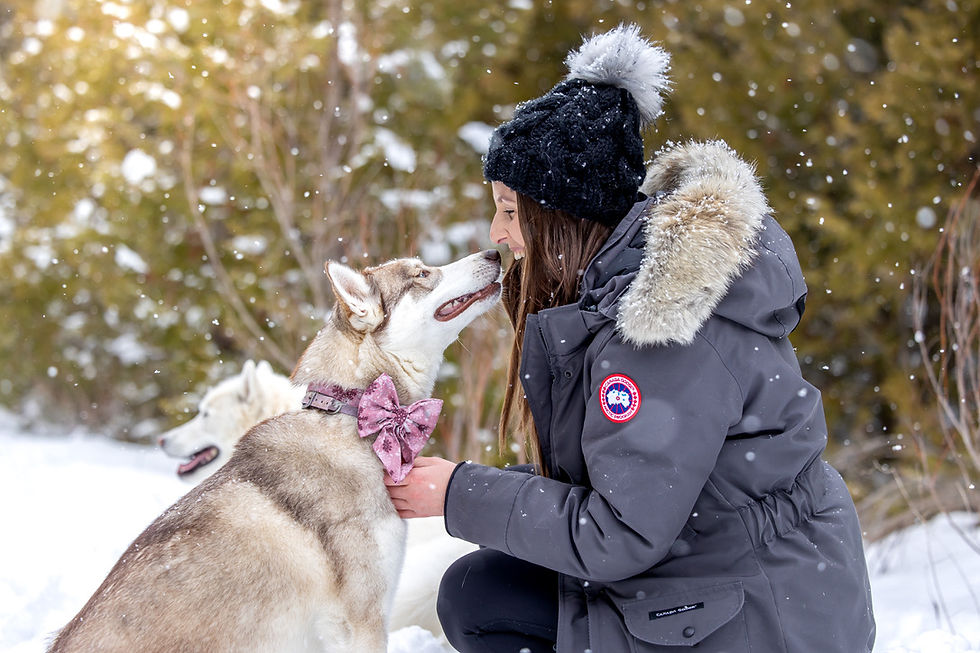
Lastly, I have a heavy winter jacket that is essential for the coldest days of the year. This jacket is designed to withstand harsh winter conditions, featuring advanced insulation technology and made from waterproof materials. When the temperatures drop significantly or when I anticipate spending extended periods outdoors, this heavy jacket becomes my trusted companion, ensuring that I remain warm and comfortable despite the chill in the air. My heavy winter jacket is from Canada Goose and is rated for -40 degree weather. I've had it for 6 years and it is still in brand new condition. I only wear this jacket when it is extremely cold and windy, otherwise I always overheat in it.
Winter Hiking Accessories
Winter hats, mitts, balaclavas, and gaiters are all essential warming accessories that can significantly enhance your comfort and enjoyment during cold weather activities. When venturing out for a hike in winter conditions, it is particularly important to choose the right headwear. I recommend opting for a hat without a pompom. While I must admit that I find pompoms to be super cute (especially for photos), they often become impractical in cold weather. When the temperature drops and you need to put your hood up for additional warmth, a pompom can obstruct the fit and functionality of your hood. Even if you manage to tuck it under, it can lead to an uncomfortable experience.

In addition to hats, I have amassed a collection of mitts that vary in warmth and style. This assortment allows me to adapt to changing temperatures and activity levels. It’s interesting to note that there are many occasions when I remove my mitts for the duration of the hike. As you begin to warm up from exertion, mitts can be the first items you want to shed, as they can cause your hands to overheat and sweat.
Balaclavas and gaiters are indispensable for protecting your face from biting winds and frigid temperatures. I own several balaclavas, including some that are thinner, making them ideal for milder winter days when you still want some level of protection without overheating. On the other hand, I also have a heavier gaiter made of merino wool, which provides excellent insulation against the cold. The natural properties of merino wool ensure that it retains warmth while also being breathable, making it a versatile choice for harsh winter conditions.
Furthermore, winter goggles are a fantastic addition to your cold-weather gear. Unlike sunglasses, which tend to fog up when paired with gaiters or balaclavas, winter goggles are designed to prevent fogging, allowing for clear vision even in challenging weather. This feature is particularly beneficial when you are hiking in snowy conditions.
Warming packs
HotHands warming packs are so great to have for your boots or mitts. I haven't needed to use these while hiking (yet) but I carry a couple in case. I typically overheat while hiking but these are great lightweight options to carry in case a cold spell unexpectantly approaches.
Battery Charging Device
The cold kills cell phones quicker, so if you are going for a longer hike with apps running, it’s crucial to prepare adequately. Therefore, it is essential to bring a portable charging device, to ensure that you have a reliable source of energy for your device.

Since your phone is likely your most important safety device in the event of an emergency, you want to make absolutely sure it remains operational throughout your hike. It serves multiple critical functions, from providing navigation assistance through GPS to allowing you to call for help if something goes wrong. In case of an accident, injury, or getting lost, having a fully charged phone can make the difference between a quick rescue and a prolonged ordeal.
On a recent hike, my phone actually started to die. Read about it here: Mono Mills Winter Hikes The cold temperatures and the apps I was using to track my route drained my battery more quickly than I expected. As I continued my trek, I noticed that my battery percentage was dropping at an alarming rate. Luckily, I had packed my charging pack, which proved to be a lifesaver. I was able to quickly connect it to my phone and recharge it while still tracking my hike and enjoying the beautiful scenery around me.
Closing
I personally find that if you purchase investment pieces that will last you forever then it makes it much easier to gather appropriate gear since then you aren't replacing things every year. It's also helpful to have gear that is appropriate for varying degrees of cold. The more winter hiking you do, the more you'll learn by trial and error of what to wear. There are times where it may be -15 outside and instead of wearing my medium jacket, I will wear my light jacket with my heaviest gaiter, mitts and hat which is just as warm and comfortable. Again though, I'd like to stress that while these options make for more comfortable hikes, they aren't necessarily needed. Use what you have! Nature is for everyone!
Ultimately, winter hiking is a rewarding experience that can deepen your love for the outdoors. With the right mindset and a bit of preparation, you can embrace the beauty of winter trails. So grab your gear, plan your route, and don’t let the cold deter you from enjoying the wonders that winter hiking has to offer!
Thanks for reading,
Kendal


Comments